
Abstract
Background
The complexity of surgical management in women with deep infiltrating endometriosis (DIE) demands the optimisation of perioperative care protocols to ensure optimal postoperative outcomes.
Objectives
This meta-analysis evaluates the effectiveness of Enhanced Recovery After Surgery (ERAS) protocols compared to conventional perioperative care in patients undergoing surgery for DIE.
Methods
A systematic literature search was conducted in Medline, Scopus, Google Scholar, Cochrane CENTRAL, and ClinicalTrials.gov databases from inception till August 2024. Meta-analysis was performed with RevMan 5.4 software (Copenhagen: The Nordic Cochrane Centre, The Cochrane Collaboration, 2020), with mean differences (MDs), pooled risk ratios (RR) and random-effects model. Quality assessment was performed using the Risk of Bias in Non-randomised Studies of Interventions and Risk of Bias tools.
Main Outcome Measures
Primary outcomes assessed were postoperative length of hospital stay and readmission rates. Secondary outcomes included Clavien-Dindo grade I-II and grade III or higher complication rates.
Results
Four comparative studies were included, encompassing a total of 1,662 patients. ERAS protocols significantly reduced the mean length of hospital stay [MD: -2.88 days; 95% confidence interval (CI): -5.34 to -0.41; P=0.02] without increasing readmission rates (RR: 1.13; 95% CI: 0.75-1.73; P=0.55). No significant differences were observed in Clavien-Dindo grade I-II complications (RR: 0.75; 95% CI: 0.49-1.16; P=0.20) or grade III or higher complications rates (RR: 0.60; 95% CI: 0.27-1.33; P=0.21).
Conclusions
ERAS protocols appear to reduce the length of hospital stay without increasing complications or readmissions in DIE surgery. However, further large-scale randomised studies still needed to be conducted to confirm these findings.
What is New?
The application of ERAS protocols is associated with better postoperative outcomes in patients undergoing major surgeries for DIE.
Keywords: Endometriosis, deep infiltrating endometriosis, Enhanced Recovery After Surgery, ERAS, perioperative care, postoperative outcomes
Introduction
Deep infiltrating endometriosis (DIE) affects approximately 1-2% of women of reproductive age. It is characterised by the presence of endometrial-like tissue infiltrating more than 5 mm beneath the peritoneal surface, often involving multiple structures of the posterior compartment of the pelvis such as the ureters, nerves, the rectovaginal septum, the uterosacral ligaments and the rectosigmoid colon. DIE is associated with severe pelvic pain, dysmenorrhoea, dyspareunia, dyschezia, and can significantly impair the quality of life and fertility of affected women. As a result, it demands comprehensive and individualised management strategies.
The surgical management of DIE is often complex due to the extent and severity of the disease, frequently necessitating advanced laparoscopic techniques to achieve meticulous dissection and excision of endometriotic nodules. This approach aims to alleviate the pain, restore pelvic anatomy, improve fertility, and enhance the quality of life of patients. However, the invasive nature of these procedures and the involvement of multiple organs underscore the importance of optimising perioperative care.
To reduce the risks associated with surgeries and improve recovery, Enhanced Recovery After Surgery (ERAS) protocols have been developed. ERAS protocols form a multidisciplinary approach aiming to optimise the perioperative management by integrating evidence-based practices designed to decrease surgical stress, maintain postoperative physiological function, and ensure a fast-track recovery. These protocols have been widely adopted across various surgical specialities, including minimally invasive gynaecology and gynaecological oncology., Integrating ERAS protocols into the complex and highly morbid surgical treatment of DIE can potentially enhance patient outcomes. However, studies investigating the impact of ERAS protocols in patients undergoing surgery for DIE are scarce.
The aim of the present meta-analysis is to evaluate the effectiveness of ERAS compared to conventional perioperative care protocols in patients undergoing surgery for DIE.
Methods
Search Strategy, Eligibility of Studies and Protocol Registration
The present meta-analysis was performed in accordance with the guidelines for Preferred Reporting Items for Systematic Reviews and Meta-Analysis (PRISMA) based on the authors’ predetermined inclusion criteria. Since all the studies were extracted from previously published data, institutional review board approval was not requested. Selection of abstracts was conducted by two authors (A.D., C.K.) who independently searched the literature. Only studies published in languages using the Latin alphabet were included. The inclusion of studies was based on pre-established eligibility criteria. All observational comparative studies that evaluated postoperative outcomes between patients treated for DIE within an ERAS protocol and those treated for the same disease using conventional perioperative care protocols were included. Case reports, small case series, letters to the editor, animal studies, and review articles were not included. Conference proceedings and abstracts were also planned to be excluded, as they lack important information that is necessary for the assessment of study limitations and quality of evidence.
The PICO criteria that were used to develop our search strategy were as follows:
• Population: Women undergoing surgery for DIE, encompassing all cases of deep endometriosis regardless of the site and stage of the disease.
• Intervention: The application of an ERAS perioperative protocol.
• Comparator: Conventional perioperative care protocols.
• Outcomes: Perioperative outcomes (readmission rate, length of hospital stay, operative time, major and minor postoperative complications rate).
The study’s protocol was published in the International Prospective Register of systematic reviews prior to the conduct of this review (registration number: CRD42024572905).
Literature Search and Data Extraction
We used the Medline (1966-2023), Scopus (2004-2023), Google Scholar (2004-2023), Cochrane Central Register of Controlled Trials and ClinicalTrials.gov databases in our primary search, along with the reference lists of electronically retrieved full-text papers (snowballing). The date of last search was set at August 1st, 2024. The search, strategy included a combination of the following search terms words: “deep endometriosis”[MeSH Terms] OR “deep endometriosis”[All Fields] OR “endometriosis”[All Fields] OR “deep”[All Fields] OR “deep infiltrating endometriosis”[All Fields] OR “endometriosis”[All Fields] OR “deep infiltrating”[All Fields] OR “bowel endometriosis”[All Fields] OR “non-hysterectomy”[All Fields]) AND (“enhanced recovery after surgery”[MeSH Terms] OR “enhanced recovery after surgery”[All Fields] OR “ERAS”[All Fields] OR “recovery protocol”[All Fields] OR “enhanced recovery”[All Fields] OR (“fast-track surgery”[All Fields] OR “fast-track recovery”[All Fields] OR “fast track surgery”[All Fields] OR “fast track recovery”[All Fields] OR “fast track care”[All Fields]).
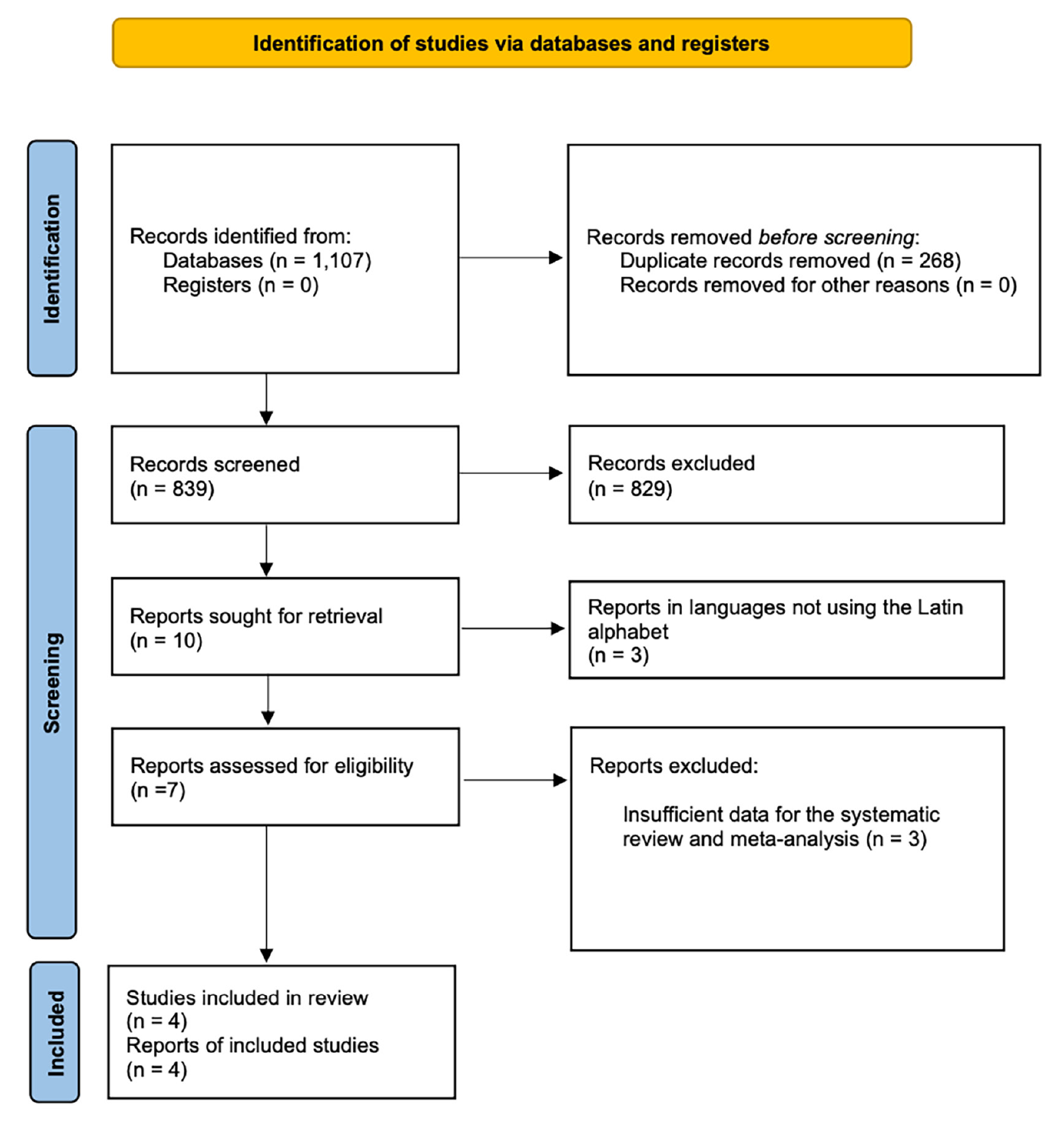
The initial selection of studies was conducted based on the titles, followed by an assessment of abstracts when eligibility was uncertain. After eliminating duplicates, the studies were evaluated according to the predefined inclusion and exclusion criteria. Articles that met or appeared to meet these criteria were retrieved for further analysis. Two authors (A.D. and C.K.) independently conducted a comprehensive literature search, resolved redundancies, and organised the selected indices in structured forms. Any discrepancies among the authors were discussed collectively until a consensus was achieved. The PRISMA flow diagram schematically presents the stages of article selection ().
Definitions and Predetermined Outcomes
Readmission rate was defined as the ratio of patients readmitted to the hospital to the total number of patients who underwent surgery for deep infiltrative endometriosis. Readmission must have occurred within the first 45 days post-surgery due to a minor or major complication or a symptom related to the surgery. Postoperative complications were categorised using the Clavien-Dindo classification system. Classes I and II were considered minor complications, while classes III, IV, and V were considered major complications. If the rate of minor complications was not separately reported, it was derived by subtracting the number of major complications from the total. Additionally, in cases where complications were not reported according to the Clavien-Dindo classification, our research team classified them accordingly.
Primary outcomes that were assessed in our study were the postoperative length of hospital stay and the readmission rate. Secondary outcomes were determined following data extraction that was performed using a modified data form based on Cochranes’ data collection form for intervention reviews for randomised controlled trials (RCTs) and non-RCTs. These included the Clavien-Dindo grade I-II and grade III or higher postoperative complication rates, as these were considered outcomes indirectly influenced by the enhanced perioperative care promoted by the ERAS protocols.
Quality Assessment
The Risk of Bias in Non-randomised Studies of Interventions (ROBINS-I) tool was employed to assess the quality of non-randomised studies. RCTs were evaluated using the Risk of Bias (RoB-2) tool. The ROBINS-I tool examines seven domains of bias in non-randomised studies: confounders, participant selection, intervention classification, intervention deviations, missing data, outcome measurement, and result reporting. It classifies studies into four levels of bias: low, moderate, serious, and critical. The RoB-2 tool for randomised studies evaluates five domains: the randomisation process, intervention deviations, missing outcome data, outcome measurement, and result reporting, categorising studies into three levels of bias: low risk, some concern, and high risk. Two authors (A.D. and A.M.) independently conducted the quality assessments, with any disagreements resolved by a third author (N.K.).
Statistical Analysis
This systematic review and meta-analysis were conducted in accordance with the recommendations of the Cochrane Collaboration, as outlined in the Cochrane Handbook for Systematic Reviews of Interventions and following the Preferred Reporting Items for PRISMA guidelines., Statistical meta-analysis was performed using the RevMan 5.4 Software. Two authors (A.D. and A.M.) independently conducted all analyses, with any disagreements resolved by a third author (A.P.). For dichotomous outcomes, risk ratios (RR) with 95% confidence intervals (CI) were used to compare pooled results. For continuous outcomes, mean differences (MD) with 95% CI were employed. For studies reporting results in formats other than (mean ± standard deviation), conversions were applied, and skewness detection was conducted. Heterogeneity was assessed using Cochran’s Q test and I statistics, considered significant if P<0.10 or I >25%, respectively. Given the anticipated high heterogeneity in the methodological characteristics of included studies, the DerSimonian-Laird random-effects model was utilised for all comparisons. In estimating weight, the generic inverse-variance method was employed. This method incorporates the standard error and the intervention effect, aggregating data across all studies to provide an estimate. It assumes that variability in effect sizes across studies is due to both sampling errors and inherent differences in effect sizes among studies. For studies reporting median values and ranges, the formula proposed by Hozo et al. in 2005 was used to estimate the mean and variance (standard deviation). The cut-off for statistical significance was set at P<0.05.
The trial sequential analysis (TSA), which was used for the evaluation of the information size, allows investigation of the type I error in the accumulated result of meta-analyses performed for all outcomes that were predetermined in the present meta-analysis. At least a number of three studies were considered suitable in order to perform the analysis. In meta-analyses, repeated significance testing raises the danger of type I error, but TSA can use the O’Brien-Fleming a-spending function to re-adjust the target significance threshold. As a result, TSA sequential interim analyses allow researchers to investigate the impact of each study on the meta-analysis’s overall conclusions. The risk for type I errors was set at 5% and for type II errors at 20%. The TSA analysis was calculated using the TSA v. 0.9.5.10 Beta software (http://www.ctu.dk/tsa/) (TSA) [Computer program] Version 0.9.5.10 Beta, The Copenhagen Trial Unit).
Results
Study Selection and Characteristics
Our search strategy, depicted in , resulted in 1,107 abstracts/manuscripts. Among these, 268 were identified as duplicates across databases, and 832 were excluded based on title and abstract analysis due to irrelevance. A detailed review of 7 studies was performed by two authors (A.D. and C.K.), resulting in the exclusion of 3 studies.- Among them, the study by Peters et al. was excluded from the present meta-analysis because, although it compares patients receiving ERAS with those receiving conventional perioperative care, it includes data on mixed gynaecological conditions requiring minimally invasive surgery, rather than focusing solely on patients with DIE, which is the specific population of interest. Another study was also excluded because it did not focus on fast-track perioperative care protocols for patients undergoing surgery for deep endometriosis. Instead, it compared surgical techniques for the treatment of intestinal endometriosis, specifically the radical approach (segmental resection) with more conservative approaches (rectal shaving or discoid excision), which they referred to as fast-track surgery. Finally, the study by Falcone et al. was excluded because it was a survey-based investigation focusing on the implementation of ERAS protocols across different hospitals for endometriosis patients, rather than providing comparative data on ERAS versus conventional perioperative care specifically for patients with deep endometriosis.
Ultimately, four comparative studies (one RCT and three retrospective cohort studies) met all the inclusion criteria and were incorporated into the study.- These studies, conducted in France and Italy, encompassed a total of 1,662 patients, with 569 patients (34.2%) receiving ERAS and the remainder receiving non-ERAS perioperative care. The methodological characteristics of the included studies are briefly presented in . Accordingly, we used the RECOvER checklist, in order to evaluate all the studies included in our meta-analysis. qualitatively represents the comprehensive set of characteristics each study meets according to the RECOvER checklist. Additionally, it displays the overall compliance percentage of each study with all 20 items outlined in this tool for ERAS-related studies.
Table 1. Methodological characteristics of the included studies.
Year; author | Study design | Country | Study period | Number of patients | Inclusion criteria | Exclusion criteria |
|---|---|---|---|---|---|---|
ERAS vs. non-ERAS | ||||||
2017; Scioscia et al. | Randomised controlled trial | Italy | January-December 2015 | 62 vs. 165 | Age >18 years; preoperative evidence of bowel endometriosis (ultrasound, MRI, double contrast barium enema); primary laparoscopic approach; informed consent. | Surgery for reasons other than endometriosis, laparotomy, or vaginal approach; patients with endometriosis without bowel involvement; no consent for intestinal surgery. |
2022; Pivano et al. | Retrospective observational study | France | January-December 2015 and March-November 2019 | 191 vs. 573 | Women with a hospital stay for a DIE surgical procedure; The hospital stay had to include the ICD-10 code corresponding to the primary diagnosis of endometriosis (N80) and a CCAM code corresponding to a DIE surgical procedure. | All patients with hospital stay with an associated diagnosis of cancer (C*) or a history of a previous year’s stay with a cancer code. |
2024; Arena et al. | Retrospective cohort observational study | Italy | February 2017-February 2023 | 263 vs. 316 | All women aged between 18 and 50 years who underwent surgery for rectosigmoid endometriosis. | History of concomitant pelvic inflammatory disease; malignancy; laparotomic conversion; women whose charts contained missing data about the perioperative period. |
2024; Djemouai et al. | Retrospective observational study | France | April 2014-January 2018 and February 2018-March 2020 | 53 vs. 39 | All patients presenting an indication for deep pelvic endometriosis surgery validated in an endometriosis meeting. | Initial or conversion laparotomy surgery. |
MRI: Magnetic resonance imaging, DIE: Deep infiltrating endometriosis, ICD-10: International Classification of Diseases, 10th Revision, CCAM: Classification Commune des Actes Médicaux.
Table 2. Reporting on ERAS compliance, outcomes, and elements research (RECOvER) checklist among the included studies.
Item | Recommendation | 2017; Scioscia et al. | 2022; Pivano et al. | 2024; Arena et al. | 2024; Djemouai et al. |
|---|---|---|---|---|---|
Title | |||||
1 | Indicate that this is an enhanced recovery study in the title | - | + | + | + |
Introduction | |||||
2 | Explain the area of uncertainty that the study seeks to address | + | + | + | + |
3 | If a published set of enhanced recovery guidelines exists for this procedure, include a reference to the guidelines | - | + | + | + |
4 | Define the primary outcome and any key prespecified secondary outcomes for the study | + | + | + | + |
Methods | |||||
5 | Give the Institutional Review Board/Ethics Committee name and approval number. If permission was not required, reasons should be stated | + | + | + | + |
6 | Indicate what type of study is presented (randomised controlled trial, cohort, cross-sectional, etc.) The individual guidelines for the type of should be followed (e.g., CONSORT for randomised controlled trials, STROBE for cohort studies, etc.) | + | + | + | + |
7 | Describe whether this is a single or multicentre study, the type of practice (academic vs. community, tertiary vs. primary), and the providers (limited group or all providers on a service) | + | + | + | + |
8 | Describe periods of recruitment, time points at which outcomes are assessed, and follow-up | + | + | + | + |
9 | Define study inclusion and exclusion criteria | + | + | + | + |
10 | Describe when the enhanced recovery protocol was implemented relative to the study period | - | + | + | + |
11 | Provide a flow diagram or table through the continuum of care detailing the enhanced recovery protocol, including the following elements: Preadmission patient education regarding the protocol Preadmission screening and optimisation as indicated for nutritional deficiency, frailty, anaemia, HbA1c, tobacco cessation, and ethanol use Fasting and carbohydrate loading guidelines Pre-emptive analgesia (dose, route, timing) Anti-emetic prophylaxis (dose, route, timing) Intraoperative fluid management strategy Types, doses, and routes of anaesthetics administered Patient warming strategy Management of postoperative fluids Postoperative analgesia and anti-emetic plans Plan for opioid minimisation Drain and line management Early mobilisation strategy Postoperative diet and bowel regimen management Criteria for discharge Tracking of post-discharge outcomes | - | + | + | + |
12 | Describe the audit system for compliance with the enhanced recovery protocol and how compliance data are measured. | - | - | - | - |
13 | Explain the criteria for assessing primary and secondary outcomes Distinguish among clinical, functional, administrative, and quality of life outcome measures | + | + | + | + |
14 | If patient questionnaires are used, provide references to validation of these study instruments | + | Not used | Not used | Not used |
Results | |||||
15 | Use a flow diagram to explain the derivation of the study population Provide Table 1 with the key demographic and clinical features of the study population Indicate number of participants with missing data for each variable of interest | + | + | + | + |
16 | Provide Table 2 with average compliance for each enhanced recovery protocol element and present a comparison of the variation in enhanced recovery compliance among the study groups | - | - | - | - |
17 | Perform logistic regression to correlate the change in primary outcome with the study intervention | - | - | + | - |
Discussion | |||||
18 | Explain what the study adds to the body of knowledge regarding the study intervention within the context of enhanced recovery after surgery care | + | + | + | + |
19 | Discuss the limitations of the study and how these might temper the findings | + | + | + | + |
Other information | |||||
20 | Document all sources of funding and potential conflicts of interest for the study authors | + | + | + | + |
Total (%) | 13/20 (65%) | 17/20 (85%) | 18/20 (90%) | 17/20 (85%) | |
Baseline patients’ and perioperative characteristics that were preestablished as essential for inclusion in the present meta-analysis were underreported among the included studies. Available data revealed minimal differences between patients who were treated for deep endometriosis according to the ERAS protocol and those treated for the same condition with conventional perioperative care. Similarly, differences were identified in the ERAS parameters applied across the four studies, and there was an overall underreporting of the ERAS parameters implemented in each respective study. The analysed indices were tabulated in two structured tables, as follows: patients’ and surgical characteristics () and principal components of ERAS programs, employed across the included studies ().
Table 3. Patients’ and surgical characteristics.
Year; author | Age (years) | BMI (kg/m2) | Smoking status | Previous abdominal surgery | History of endometriosis | Type of surgical procedure |
|---|---|---|---|---|---|---|
ERAS vs. non-ERAS | ||||||
2017; Scioscia et al. | 35.2 ± 4.4 vs. 35.5 ± 5.8a | 22.1 ± 3.9 vs. 21.6 ± 3.2a | No data available | 33/62 (53.2%) vs. 92/165 (55.8%) | No data available | Segmental bowel resection: 54/62 (87.1%) vs. 141/165 (85.5%) Ileostomy: 9/62 (14.5%) vs. 27/16 (16.4%) Ureterocystoneostomy: 5/62 (8.1%) vs. 9/165 (5.5%) Full-thickness excision of VW: 9/62 (14.5%) vs. 40/165 (24.2%) |
2022; Pivano et al. | 38.26 ± 7.74 vs. 37.9 ± 7.32a | No data available | No data available | No data available | No data available | *Radical surgery: 74/191 (38.7%) vs. 222/573 38.7%) **Conservative surgery: 117/191(61.3%) vs. 351/573 (61.3%) |
2024; Arena et al. | 36.5 ± 6.7 vs. 36.5 ± 6.3a | 23.4 ± 4.3 vs. 23.9 ± 4.7a | No data available | 63/263 (24%) vs. 79/316 (25%) | 83/263 (31.6%) vs. 119/316 (37.7%) | Shaving: 121/263 (46%) vs. 196/316 (62%) Full thickness anterior resection: 35/263 (13.3%) vs. 28/316 (8.9%) Segmental bowel resection: 107/263 (40.7%) vs. 92/316 (29.1%) Hysterectomy: 31/263 (11.8%) vs. 37/316 (11.7%) Cystectomy of endometrioma: 133/263 (50.6%) vs. 176/316 (55.7%) Bilateral SO: 7/263 (2.7%) vs. 9/316 (2.8%) Monolateral SO: 13/263 (4.9%) vs. 16/316 (5.1%) Removal of bladder endometriosis: 29/263 (11%) vs. 25/316 (7.9%) Removal of parametrial endometriosis: 60/263 (22.8%) vs. 89/316 (28.2%) |
2024; Djemouai et al. | 33.3 ± 8.2 vs. 34.2 ± 6.8a | 23.6 ± 4.7 vs. 24.7 ± 6.2a | 13/53 (24.5%) vs. 3/39 (7.7%) | No data available | 17/53 (32.1%) vs. 17/39 (43.6%) | Segmental bowel resection: 1/53 (1.9%) vs. 0/39 (0%) Segmental bowel resection + ileostomy: 11/53 (20.7%) vs. 7/39 (17.9%) Shaving: 23/53 (43.4%) vs. 22/39 (56.4%) Urinary endometriosis surgery: 2/53 (3.8%) vs. 1/39 (2.6%) Rectovaginal septum surgery: 8/53 (15.1%) vs. 4/39 (10.3%) Other mixed procedures: 8/53 (15.1%) vs. 5/39 (12.8%) |
amean + standard deviation, *Radical surgery: Bowel resection procedures for deep endometriosis, **Conservative surgery: Procedures without bowel resection for deep endometriosis, SO: Salpingoophorectomy, BMI: Body mass index, ERAS: Enhanced Recovery After Surgery.
Table 4. ERAS pathway elements across included studies.
- | 2017; Scioscia et al. | 2022; Pivano et al. | 2024; Arena et al. | 2024; Djemouai et al. |
|---|---|---|---|---|
Preoperative phase | ||||
Preadmission information, education, and counselling (including alcohol/smoking cessation and physical exercise/prehabilitation programs) | NR | Implemented | Implemented | Implemented |
Management of anemia (Hb <12 g/dL): needed for screening and treatment | NR | NR | Implemented | Implemented |
Nutritional Screening (supplementation if needed) | NR | NR | Implemented | Implemented |
Preoperative fasting (light meal until 6 h, clear fluids including oral carbohydrate drinks until 2 h) | NR | NR | Implemented | Implemented |
Thromboprophylaxis (mechanical + low molecular weight heparin) | NR | NR | Implemented | NR |
No mechanical bowel preparation (+ oral antibiotic) | Implemented | NR | Not Implemented | NR |
Prevention of nausea and vomiting | NR | Implemented | Implemented | NR |
Avoidance of preanesthetic medication (Sedative/anxiolytics) | NR | Implemented | Implemented | NR |
Intraoperative phase | ||||
Prophylactic antibiotics | Implemented | Implemented | Implemented | NR |
Skin preparation by chlorhexidine | NR | NR | NR | NR |
Anesthetic protocol • Cerebral function monitoring • Neuromuscular monitoring • Deep neuromuscular block and reversal by specific antagonists • Lung-protective ventilation | NR | NR | Implemented | Implemented |
Prevention of intraoperative hypothermia | NR | Implemented | Implemented | NR |
Intraoperative glycemic control | NR | - | NR | NR |
Advanced hemodynamic monitoring to guide fluid therapy | NR | Implemented | Implemented | NR |
Multimodal analgesia | NR | Implemented | Implemented | Implemented |
Minimally invasive surgery (in 100% of patients) | NR | Implemented | Implemented | Implemented |
No Prophylactic abdominal drains | NR | Implemented | Implemented | Implemented |
Postoperative phase | ||||
No use of prophylactic nasogastric drainage | Implemented | Implemented | Implemented | Implemented |
Early removal of urinary catheter (within the first 24 h after surgery) | NR | NR | Implemented | Implemented |
Early oral intake resumption (clear liquids on the day of surgery, solid food from postoperative day 1) | Implemented | Implemented | Implemented | Implemented |
Mobilisation as early as the day of surgery (out of bed) | Implemented | Implemented | Implemented | Implemented |
Pharmacological thromboprophylaxis until 4 weeks after surgery | NR | Implemented | Implemented | NR |
Patient education before discharge (including nutritional counselling, instruction on feeding and return to work and sport) | NR | NR | Implemented | NR |
Collection and documentation of patient-reported outcomes | Implemented | Implemented | Implemented | Implemented |
Use ERAS auditing tools | NR | Implemented | NR | NR |
NR: Not reported, ERAS: Enhanced Recovery After Surgery, Hb: Haemoglobin.
The RCT included in this systematic review and meta-analysis demonstrated a low RoB-2. All three retrospective studies included in the present study exhibited a moderate RoB-2 in the confounding, deviation from intended interventions, and measurement of outcomes domains. Assessment of the methodological heterogeneity with the RoB 2 and ROBINS-I tools revealed that the overall quality of analysed evidence was moderate-high. The detailed assessment of each included study is shown in .
Table 5. Risk of bias of the included studies (risk of bias summary).
Study | Type | Tool | Bias arising from the randomisation process | Bias in selection of participants into the study | Bias in classification of Interventions | Bias due to confounding | Bias due to deviations from intended interventions | Bias due to missing data | Bias in measurement of outcomes | Bias in selection of the reported result | Overall risk of bias |
2017; Scioscia et al. | RCT | RoB-2 | Low Risk | X | X | X | Low risk | Low risk | Low risk | Low risk | Low |
2022; Pivano et al. | Non-RCT | ROBINS-I | X | Low risk | Low risk | Moderate risk | Moderate risk | Low risk | Moderate risk | Low risk | Moderate |
2024; Arena et al. | Non-RCT | ROBINS-I | X | Low risk | Low risk | Moderate risk | Moderate risk | Low risk | Moderate risk | Low risk | Moderate |
2024; Djemouai et al. | Non-RCT | ROBINS-I | X | Low risk | Low risk | Moderate risk | Moderate risk | Low risk | Moderate risk | Low risk | Moderate |
RCT: Randomised controlled trial, RoB-2: Risk of Bias 2.
Outcomes
The primary outcomes of the meta-analysis were the length of hospital stay and readmission rates. The analysis for the length of hospital stay included one RCT and three non-RCT studies. The RCT by Scioscia et al. reported a significant reduction in the mean length of hospital stay for patients treated with ERAS compared to those with conventional care (MD: -7.55 days, 95% CI: -8.51 to -6.59; P<0.00001). Similarly, the pooled analysis of the three non-RCT studies also demonstrated a significantly shorter length of hospital stay for the ERAS group (MD: -1.26 days, 95% CI: -1.74 to -0.78; P<0.00001). Overall, the total pooled effect indicated a significant reduction in hospital stay for the ERAS group (MD: -2.88, 95% CI: -5.34 to -0.41; P=0.02) ().
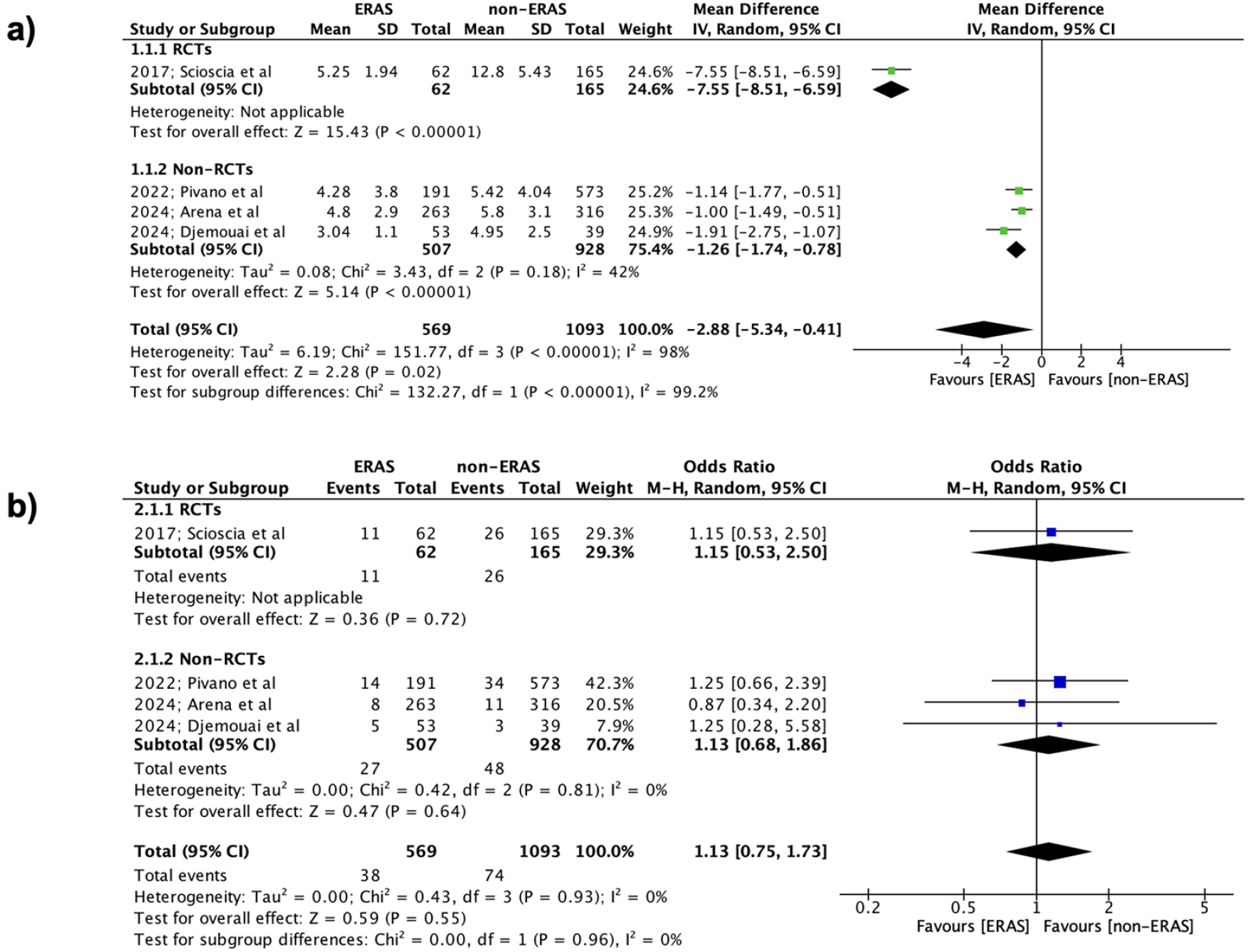
For readmission rates, the meta-analysis included one RCT and three non-RCT studies. The RCT by Scioscia et al. showed no significant difference in readmission rates between the ERAS and non-ERAS groups (RR: 1.15, 95% CI: 0.53 to 2.50; P=0.72). Likewise, the pooled analysis of the three non-RCT studies also indicated no significant difference in readmission rates (RR: 1.13, 95% CI: 0.68 to 1.86; P=0.64). Consequently, there was no significant difference in readmission rates between the ERAS and non-ERAS groups overall (RR: 1.13, 95% CI: 0.75 to 1.73; P=0.55) ().
The secondary outcomes included the Clavien-Dindo grade I-II and the Clavien-Dindo grade III or higher complication rates. Regarding Clavien-Dindo grade III or higher complication rate, the meta-analysis included one RCT and three non-RCT studies. The RCT by Scioscia et al. showed no significant difference in higher grade complications between the ERAS and non-ERAS groups (RR: 0.74, 95% CI: 0.24 to 2.35; P=0.61). Similarly, the pooled analysis of the three non-RCT studies also showed no significant difference in higher grade complications (RR: 0.48, 95% CI: 0.14 to 1.67; P=0.25). Thus, there was no significant difference in Clavien-Dindo grade III or higher complications between the ERAS and non-ERAS groups overall (RR: 0.60, 95% CI: 0.27 to 1.33; P=0.21) ().
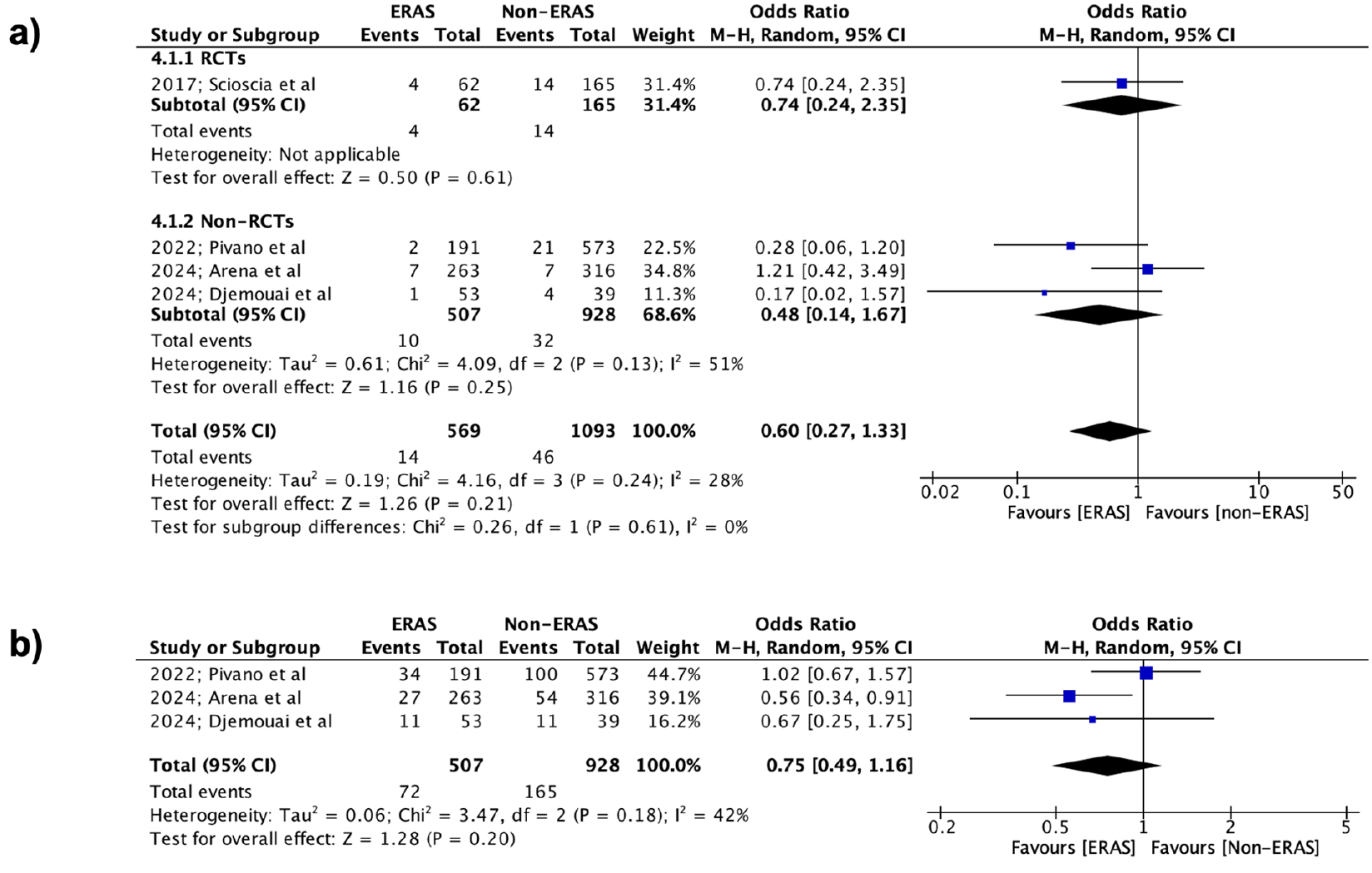
On the other hand, the meta-analysis for Clavien-Dindo grade I-II complication rates included only three non-RCT studies. The pooled analysis indicated no significant difference in grade I-II complications between the ERAS and conventional perioperative care groups (RR: 0.75, 95% CI: 0.49 to 1.16, P=0.20) ().
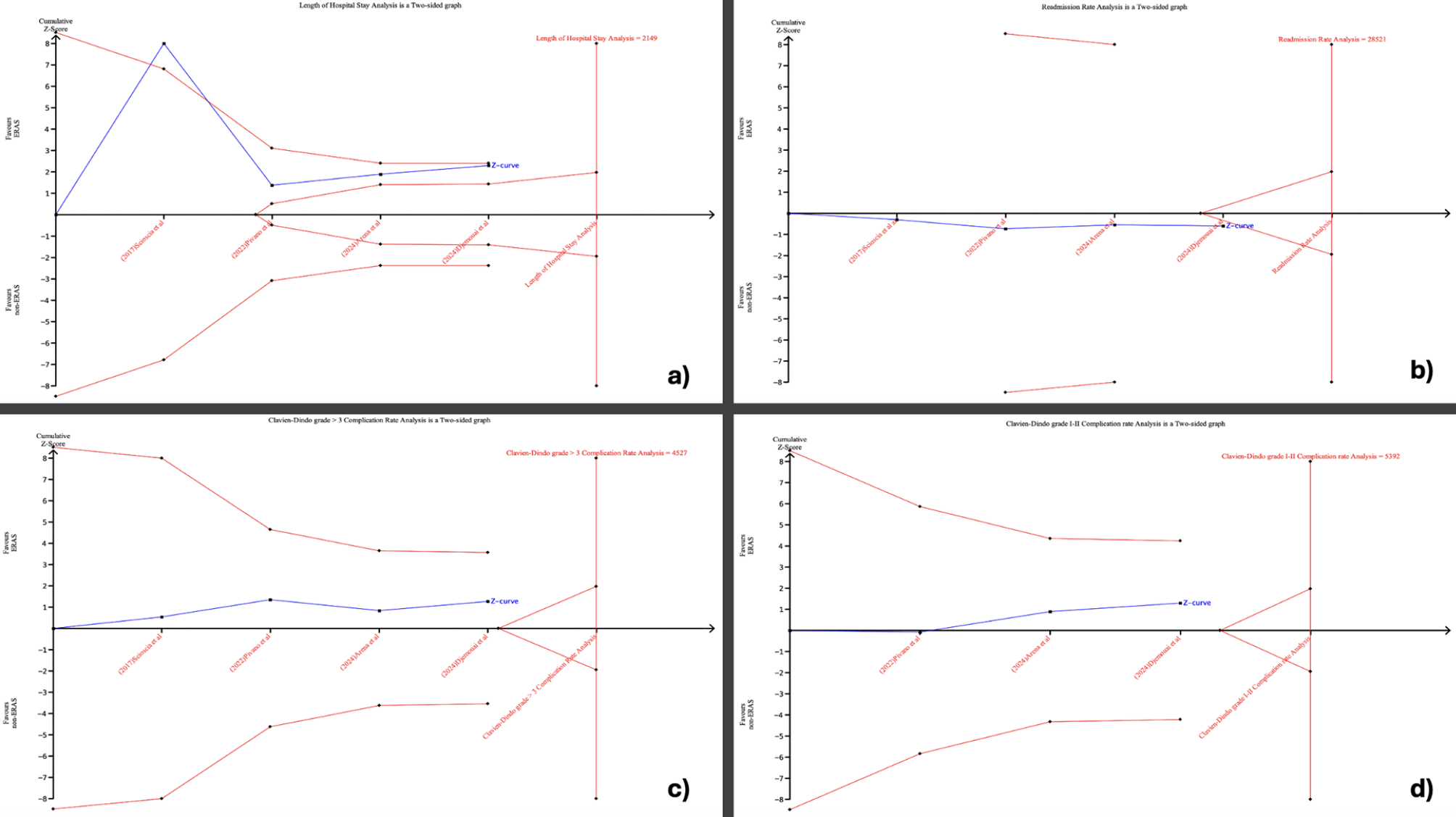
Finally, the TSA for all outcomes did not reach the required information sizes, and the Z-curves did not consistently cross the traditional boundaries. This indicates that, although there are indications of benefits associated with ERAS, the current evidence is not yet definitive (). Further research with larger sample sizes is required to provide conclusive evidence on the effectiveness of ERAS protocols in patients operated for DIE.
Discussion
Principal Findings
Based on the results of the present meta-analysis, it is demonstrated that the implementation of ERAS protocols in patients undergoing surgery for DIE is associated with a statistically significant reduction in the length of the postoperative hospital stay. This reduction is achieved without a concurrent increase in the rates of postoperative complications and readmissions due to complications, compared to conventional perioperative care protocols.
Comparison with Existing Literature
ERAS recommendations for gynaecological/oncology surgeries, initially proposed in 2016 and revised in 2019, provide the foundation for studies examining the impact of these protocols on various gynaecological procedures. ERAS protocols have consistently demonstrated clinical benefits for patients and reduced healthcare costs across procedures such as hysterectomies, urogynaecological surgeries, caesarean sections, and gynaecological oncology surgeries., -
Given these proven benefits, similar positive outcomes are anticipated when ERAS protocols are applied to DIE surgeries. However, current literature on ERAS in DIE is scarce. Two nationwide studies highlight low compliance rates: the Italian Society of Gynaecological Endoscopy reported an overall compliance rate of 56.5%, with preoperative, intraoperative, and postoperative rates at 40.4%, 64.4%, and 62.6%, respectively. Similarly, a French study by Pivano et al. found that only 8.1% of patients with posterior DIE were managed using an enhanced recovery pathway, suggesting an even lower compliance rate.
Despite limited data and low compliance, DIE patients are ideal candidates for ERAS protocols due to their unique clinical characteristics. Prehabilitation programs, a core ERAS component, may alleviate distress and anxiety in DIE patients, improving surgical outcomes. Kalogera et al., demonstrated improved recovery outcomes in minimally invasive gynaecological surgeries involving bowel procedures, relevant to DIE surgeries. Additionally, DIE patients typically have lower postoperative pain thresholds and higher analgesic requirements, necessitating multimodal analgesia strategies inherent in ERAS.- This necessitates multimodal analgesia strategies, such as those advocated by ERAS pathways, to possibly manage their postoperative pain more effectively. Lastly, ERAS can mitigate the high direct and indirect costs associated with endometriosis surgeries by reducing complications and hospital stays.
Clinical Implication
Despite the efforts made by the AAGL ERAS Task Force and the ERAS Society to establish specific ERAS protocols for minimally invasive gynaecological and gynaecological oncology surgeries, a primary challenge remains the lack of standardisation., This challenge is particularly significant for patients with DIE. The multidisciplinary nature of ERAS protocols, involving the coordinated efforts of surgeons, anaesthesiologists, ERAS nurses, and postoperative care teams, makes adherence and consistent application challenging. The inclusion of multidisciplinary team meetings, as highlighted in the consensus by the European Endometriosis League, can play a pivotal role in aligning practices, fostering collaboration among specialities such as visceral surgeons and urologists, and facilitating the implementation of standardised care pathways. Furthermore, the variability in surgical and anaesthetic practices, as well as economic constraints, add to the difficulty of establishing a standardised protocol.
The clinical implications of the findings from this meta-analysis highlight the need for larger and more comprehensive studies to clearly demonstrate the value of ERAS protocols in DIE surgery. Additionally, these findings should prompt consideration for the development of specific ERAS protocols tailored for patients with DIE. Given the intricate and multisystemic nature of endometriosis, and the distinct characteristics of this patient cohort, standardised ERAS protocols could significantly improve both immediate postoperative outcomes and long-term quality of life, including reproductive health. Establishing such protocols could ensure optimal perioperative care, leading to enhanced surgical outcomes and better overall patient management.
Strengths and Limitations of the Study
This study represents the first comprehensive systematic review and meta-analysis evaluating the implementation of ERAS protocols in DIE surgery. A notable strength is the inclusion of studies without date restrictions, enabling a broad and thorough data collection process. Multiple databases were extensively searched, and records were independently reviewed by multiple assessors, ensuring methodological rigor and enhancing the reliability of our findings. While preliminary, this study provides valuable insights into the impact of ERAS guidelines on perioperative outcomes in DIE surgery.
However, several limitations must be acknowledged. The small number of included studies, coupled with TSA indicating insufficient sample size for all outcomes, suggests that our results should be interpreted with caution. Most studies were retrospective, increasing the potential for selection bias. Additionally, significant heterogeneity was observed, particularly in the types of surgical interventions and the specific ERAS protocol components applied. This heterogeneity underscores the need for standardised ERAS protocols tailored to DIE surgery, as large-scale randomised trials alone may not address these inconsistencies. Another limitation is the narrow scope of reported outcomes. Important parameters such as postoperative nausea and vomiting, analgesic use, time to return to normal activities, and hospitalisation costs were not assessed. Finally, while the included studies demonstrated substantial compliance with the RECOvER Checklist, none reported adherence to individual ERAS protocol components, limiting our ability to evaluate the protocols’ consistency and comprehensive implementation.
Despite these limitations, our findings highlight the potential benefits of ERAS protocols in DIE surgery and underscore the need for further research to validate these results in larger, more homogenous cohorts.
Conclusion
Our study concluded that implementing ERAS perioperative care protocols in DIE surgery can significantly reduce hospital stay, without adversely affecting complication and readmission rates. These findings are particularly relevant given the rising incidence of DIE and increasing surgical volumes, underscoring the need for integrating ERAS protocols to enhance surgical outcomes and reduce healthcare costs. Nevertheless, the limitations of this study, as previously noted, pose challenges in drawing definitive conclusions. Therefore, more extensive and robust scientific evidence is essential, particularly from studies with larger sample sizes and more controlled application of specific ERAS guidelines. Such research is necessary to accurately determine the impact of ERAS protocols on postoperative outcomes in DIE surgery.
Footnotes
Acknowledgements
None.
Authorship Contributions
Concept: A.D., A.P., Design: A.D., I.K.C., T.G., Data Collection or Processing: A.D., C.K., K.K., Analysis or Interpretation: A.D., N.K., A.M., Literature Search: A.D., C.K., An.P., Writing: A.D., N.K., C.K., D.Z.
Conflict of Interest: No conflict of interest was declared by the authors.
Financial Disclosure: The authors declared that this study received no financial support.
References
D’Alterio MN, D’Ancona G, Raslan M, Tinelli R, Daniilidis A, Angioni S. Management challenges of deep infiltrating endometriosis. Int J Fertil Steril. 2021;15:88-94.
As-Sanie S, Shafrir AL, Halvorson L, Chawla R, Hughes R, Merz M. The burden of pelvic pain associated with endometriosis among women in selected European Countries and the United States: a restricted systematic review. J Minim Invasive Gynecol. 2024;31:653-66.
Ceccaroni M, Clarizia R, Bruni F, D’Urso E, Gagliardi ML, Roviglione G, et al. Nerve-sparing laparoscopic eradication of deep endometriosis with segmental rectal and parametrial resection: the Negrar method. A single-center, prospective, clinical trial. Surg Endosc. 2012;26:2029-45.
Laganà AS, La Rosa VL. Multidisciplinary management of endometriosis: current strategies and future challenges. Minerva Med. 2020;111:18-20.
Altman AD, Helpman L, McGee J, Samouëlian V, Auclair MH, Brar H, et al. Enhanced recovery after surgery: implementing a new standard of surgical care. CMAJ. 2019;191:469-75.
Nelson G, Fotopoulou C, Taylor J, Glaser G, Bakkum-Gamez J, Meyer LA, et al. Enhanced Recovery After Surgery (ERAS®) Society guidelines for gynecologic oncology: addressing implementation challenges - 2023 update. Gynecol Oncol. 2023;173:58-67.
Stone R, Carey E, Fader AN, Fitzgerald J, Hammons L, Nensi A, et al. Enhanced recovery and surgical optimization protocol for minimally invasive gynecologic surgery: an AAGL White Paper. J Minim Invasive Gynecol. 2021;28:179-203.
Liberati A, Altman DG, Tetzlaff J, Mulrow C, Gøtzsche PC, Ioannidis JP, et al. The PRISMA statement for reporting systematic reviews and meta-analyses of studies that evaluate healthcare interventions: explanation and elaboration. BMJ. 2009;339:2700.
Dindo D, Demartines N, Clavien PA. Classification of surgical complications: a new proposal with evaluation in a cohort of 6336 patients and results of a survey. Ann Surg. 2004;240:205-13.
Sterne JA, Hernán MA, Reeves BC, Savović J, Berkman ND, Viswanathan M, et al. ROBINS-I: a tool for assessing risk of bias in non-randomised studies of interventions. BMJ. 2016;355:4919.
Higgins JP, Altman DG, Gøtzsche PC, Jüni P, Moher D, Oxman AD, et al. The Cochrane Collaboration’s tool for assessing risk of bias in randomised trials. BMJ. 2011;343:5928.
Higgins JPT, Thomas J, Chandler J, et al. Cochrane Handbook for Systematic Reviews of Interventions. 2nd ed. John Wiley & Sons; 2019.
Moher D, Liberati A, Tetzlaff J, Altman DG; PRISMA Group. Preferred reporting items for systematic reviews and meta-analyses: the PRISMA statement. PLoS Med. 2009;6:1000097.
Review Manager (RevMan) [Computer program]. Version 5.4. The Cochrane Collaboration; 2020. Available at: https://community.cochrane.org/style-manual/references/reference-types/software. In. Trial Sequential Analysis (TSA) [Computer program]. Version 0.9.5.10 Beta. The Copenhagen Trial Unit C. f. C. I. R., The Capital Region, Copenhagen University Hospital – Rigshospitalet, 2021.
DerSimonian R, Kacker R. Random-effects model for meta-analysis of clinical trials: an update. Contemp Clin Trials. 2007;28:105-14.
Hozo SP, Djulbegovic B, Hozo I. Estimating the mean and variance from the median, range, and the size of a sample. BMC Med Res Methodol. 2005;5:13.
Falcone F, Laganà AS, Casarin J, Chiofalo B, Barra F, Garzon S, et al. Evaluation of peri-operative management in women with deep endometriosis who are candidates for bowel surgery: a survey from the Italian Society of Gynecologic Endoscopy. J Minim Invasive Gynecol. 2023;30:462-72.
Kondo W, Ribeiro R, Zomer MT. Fast-track surgery in intestinal deep infiltrating endometriosis. J Minim Invasive Gynecol. 2014;21:285-90.
Peters A, Siripong N, Wang L, Donnellan NM. Enhanced recovery after surgery outcomes in minimally invasive nonhysterectomy gynecologic procedures. Am J Obstet Gynecol. 2020;223:234.
Arena A, Degli Esposti E, Pazzaglia E, Orsini B, Cau I, Govoni F, et al. Not all bad comes to harm: enhanced recovery after surgery for rectosigmoid endometriosis. J Minim Invasive Gynecol. 2024;31:49-56.
Djemouai S, Agostini A, Loubière S, Auquier P, Pirro N, Netter A, et al. Enhanced Recovery After Surgery (ERAS) for deep infiltrating endometriosis surgery: experience of a French center. J Gynecol Obstet Hum Reprod. 2024;53:102771.
Pivano A, Pauly V, Pirro N, Alessandrini M, Boyer L, Auquier P, et al. Enhanced recovery after posterior deep infiltrating endometriosis surgery: a national study. Fertil Steril. 2022;117:376-83.
Scioscia M, Ceccaroni M, Gentile I, Rossini R, Clarizia R, Brunelli D, et al. Randomized trial on fast track care in colorectal surgery for deep infiltrating endometriosis. J Minim Invasive Gynecol. 2017;24:815-21.
Elias KM, Stone AB, McGinigle K, Tankou JI, Scott MJ, Fawcett WJ, et al. The reporting on ERAS compliance, outcomes, and elements research (RECOvER) checklist: a joint statement by the ERAS(®) and ERAS(®) USA Societies. World J Surg. 2019;43:1-8.
Nian J, Li Z, Chen P, Ye P, Liu C. Enhanced recovery after surgery versus conventional postoperative care in patients undergoing hysterectomy: a systematic review and meta-analysis. Arch Gynecol Obstet. 2024;310:515-24.
Pinho B, Costa A. Impact of Enhanced Recovery After Surgery (ERAS) guidelines implementation in cesarean delivery: a systematic review and meta-analysis. Eur J Obstet Gynecol Reprod Biol. 2024;292:201-9.
Zacharakis D, Diakosavvas M, Prodromidou A, Kathopoulis N, Angelou K, Kalantzis C, et al. Enhanced recovery protocols in urogynecologic and pelvic floor reconstructive surgery: a systematic review and meta-analysis. Urogynecology (Phila). 2023;29:21-32.
Gambadauro P, Carli V, Hadlaczky G. Depressive symptoms among women with endometriosis: a systematic review and meta-analysis. Am J Obstet Gynecol. 2019;220:230-41.
Kalogera E, Glaser GE, Kumar A, Dowdy SC, Langstraat CL. Enhanced recovery after minimally invasive gynecologic procedures with bowel surgery: a systematic review. J Minim Invasive Gynecol. 2019;26:288-98.
Grundström H, Gerdle B, Alehagen S, Berterö C, Arendt-Nielsen L, Kjølhede P. Reduced pain thresholds and signs of sensitization in women with persistent pelvic pain and suspected endometriosis. Acta Obstet Gynecol Scand. 2019;98:327-36.
Heresco L, Schonman R, Weitzner O, Cohen G, Schreiber H, Daykan Y, et al. Pain perception and analgesic use after cesarean delivery among women with endometriosis. Eur J Obstet Gynecol Reprod Biol. 2024;294:71-5.
Wong M, Vogell A, Wright K, Isaacson K, Loring M, Morris S. Opioid use after laparoscopic hysterectomy: prescriptions, patient use, and a predictive calculator. Am J Obstet Gynecol. 2019;220:259.
Soliman AM, Taylor HS, Bonafede M, Nelson JK, Castelli-Haley J. Incremental direct and indirect cost burden attributed to endometriosis surgeries in the United States. Fertil Steril. 2017;107:1181-90.
Nelson G, Bakkum-Gamez J, Kalogera E, Glaser G, Altman A, Meyer LA, et al. Guidelines for perioperative care in gynecologic/oncology: Enhanced Recovery After Surgery (ERAS) Society recommendations-2019 update. Int J Gynecol Cancer. 2019;29:651-68.
Burla L, Kalaitzopoulos DR, Samartzis N, Khazali S, Bokor A, Renner SP, Hudelist G, et al. Recommendations for the implementation and conduct of multidisciplinary team meetings for those providing endometriosis and adenomyosis care - a Delphi consensus of the European Endometriosis League (EEL). Facts Views Vis Obgyn. 2024;16:337-50.